
Seasonal Landscaping Tips for Texas Businesses: Preparing Your Property for Every Season


Understanding Texas Seasons
Texas boasts a diverse climate, making seasonal landscaping a unique challenge for businesses. From scorching summers to mild winters, each season demands a specific approach to keep your property looking its best. Understanding these seasonal changes is crucial for effective landscaping.
Spring: Preparing for Growth
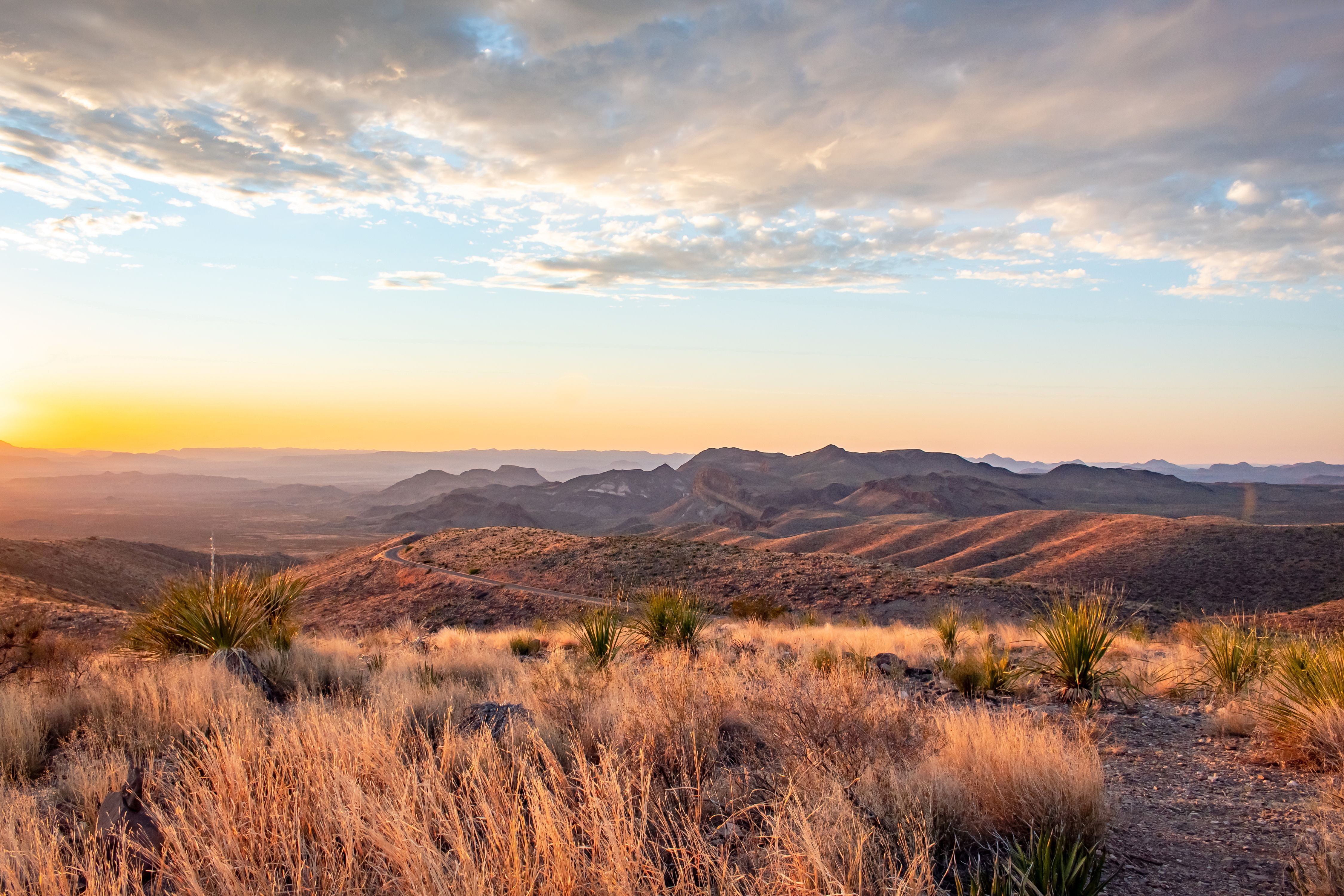
Spring in Texas is a time of renewal. As temperatures rise, it's essential to start with a thorough cleanup. Remove debris, prune shrubs, and prepare flower beds. This is also the ideal time to fertilize your lawn, ensuring it gets the nutrients needed for vibrant growth.
Consider planting native Texas plants that thrive in spring. Native plants not only enhance your property's aesthetics but also require less water and maintenance. Additionally, ensure your irrigation system is in top condition to support new growth.
Summer: Beating the Heat
Texas summers are known for their intense heat. To protect your landscape, focus on drought-resistant plants and efficient watering strategies. Mulching is a great technique to retain soil moisture and keep roots cool.

Implement a watering schedule that aligns with local regulations, typically early morning or late evening. This minimizes evaporation, ensuring your plants receive the hydration they need without wasting water.
Fall: Preparing for Dormancy
Fall is a transitional season, perfect for preparing your landscape for the colder months. Start by aerating the soil to improve its health and help it absorb moisture more effectively. This is also a good time to overseed your lawn to promote thicker growth in the spring.
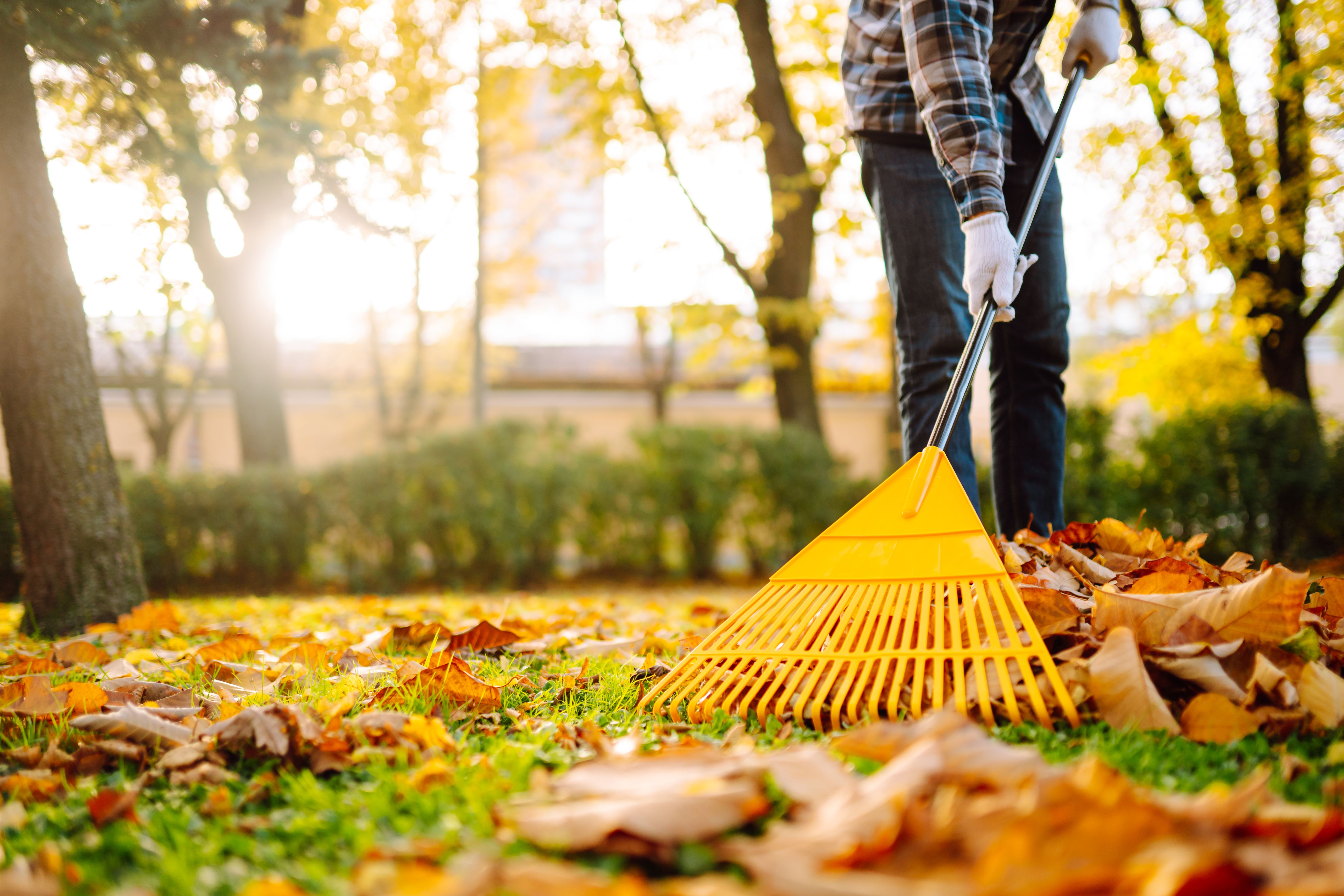
Consider planting fall flowers like mums and pansies to add color to your property. As leaves begin to fall, ensure regular cleanup to prevent them from smothering your lawn.
Winter: Maintaining Vitality
Although Texas winters are milder, it's important to protect your landscape from unexpected cold snaps. Cover sensitive plants with frost cloths and ensure your irrigation system is winterized to prevent damage.
Winter is also a good time to prune trees and shrubs, as plants are dormant and less prone to stress. Regular maintenance during this season will set the stage for a healthy landscape come spring.
Year-Round Best Practices
Consistent maintenance is key to a thriving landscape. Regularly inspect your property for signs of pests or diseases and address them promptly. Invest in quality soil and mulch to improve plant health and resilience.
By following these seasonal tips and adjusting your landscaping strategy according to the unique Texas climate, your business can maintain a beautiful and inviting property all year round.