Exploring Sustainable Commercial Landscaping Trends: Transforming Green Spaces


Understanding Sustainable Landscaping
In recent years, sustainable landscaping has become a pivotal trend in transforming commercial green spaces. Businesses are recognizing the importance of environmentally friendly practices, not just for compliance, but for the benefits they bring to the community and the planet. Sustainable landscaping involves the use of native plants, efficient water management, and eco-friendly materials to create attractive and functional green spaces.
One of the primary goals is to reduce the environmental impact while maintaining aesthetic appeal. By incorporating sustainable practices, businesses can reduce water usage, minimize pollution, and support local biodiversity. This approach not only enhances the beauty of a space but also promotes a healthier ecosystem.
Incorporating Native Plants
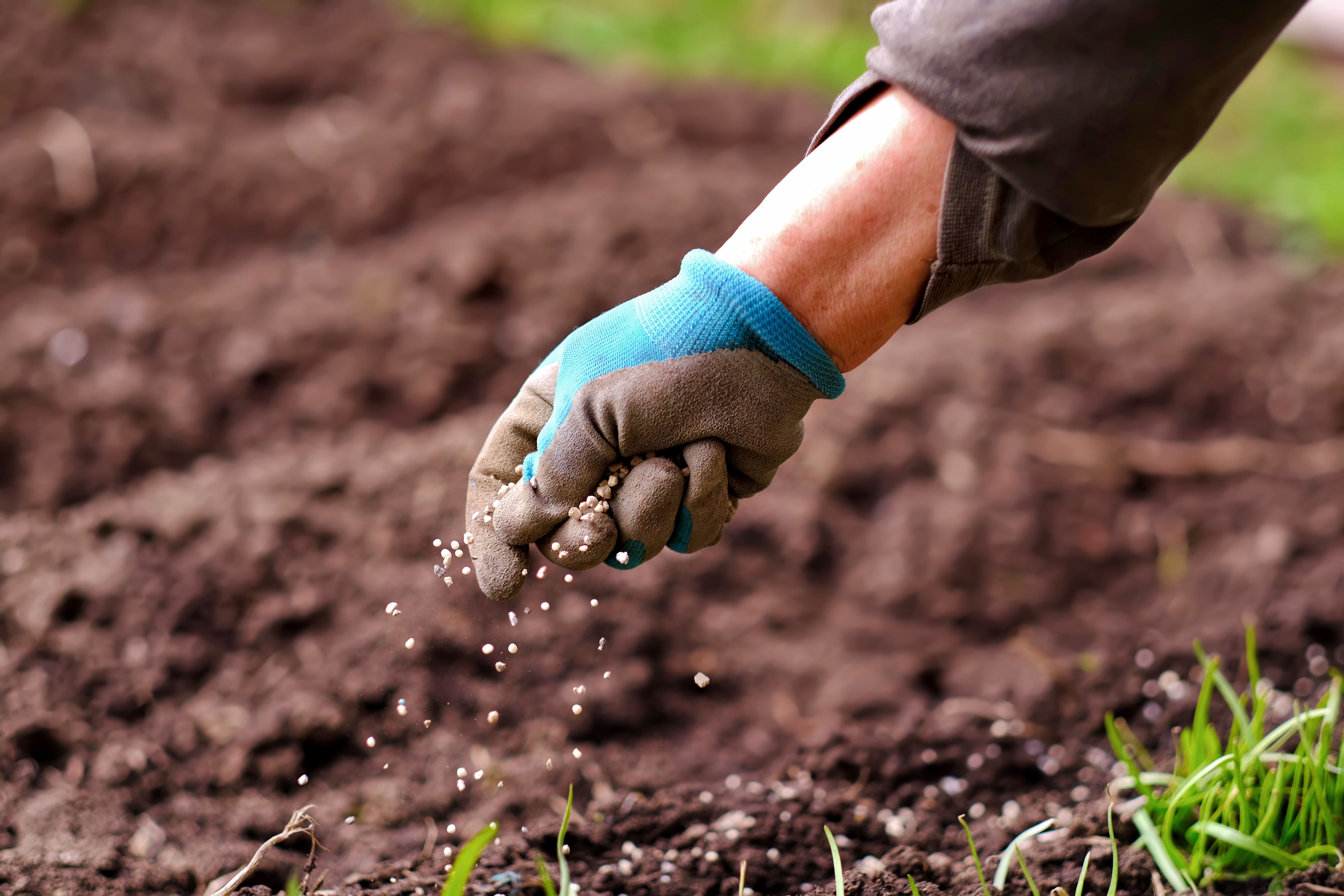
Using native plants is a cornerstone of sustainable landscaping. These plants are adapted to the local climate and soil conditions, making them easier to maintain and more resilient to pests and diseases. They require less water and fertilizer, which helps in reducing the overall maintenance costs and environmental impact.
Moreover, native plants support local wildlife, providing food and habitat for birds, insects, and other organisms. This not only enriches the biodiversity of the area but also creates a more vibrant and dynamic landscape.

Water-Efficient Irrigation Practices
Water conservation is a crucial aspect of sustainable landscaping. Implementing water-efficient irrigation systems, such as drip irrigation or smart controllers that adjust watering schedules based on weather conditions, can significantly reduce water usage. These systems ensure that plants receive the right amount of water, preventing waste and promoting healthy growth.
Additionally, rainwater harvesting systems can be integrated into commercial landscapes to collect and reuse rainwater, further enhancing sustainability efforts. This approach not only conserves water but also reduces utility costs for businesses.

Eco-Friendly Landscaping Materials
Using recycled and sustainable materials in landscaping projects is another important trend. Materials such as recycled concrete, reclaimed wood, and sustainable composites provide durable and environmentally friendly options for pathways, seating, and other landscape features.
These materials often have a lower carbon footprint compared to traditional options, helping businesses achieve sustainability goals. By choosing eco-friendly materials, companies can create visually appealing spaces that contribute positively to the environment.
Innovative Landscape Design
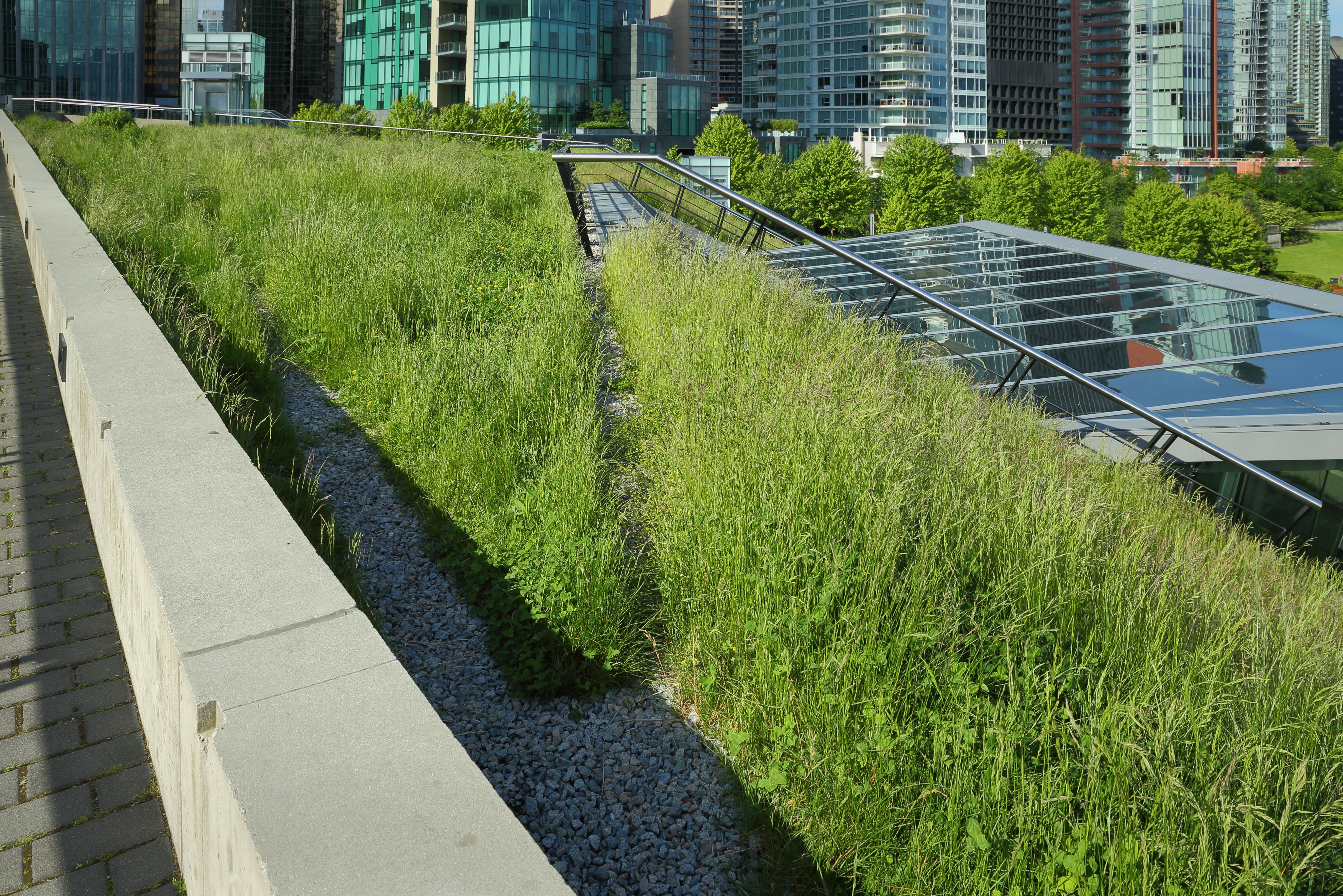
Innovative design techniques, such as green roofs and living walls, are gaining popularity in commercial landscaping. These features not only add beauty and uniqueness to a space but also offer insulation benefits, reduce energy costs, and improve air quality. Green roofs can reduce stormwater runoff, which is particularly beneficial in urban areas.
Living walls, meanwhile, create vertical gardens that can transform blank walls into lush, green surfaces. They contribute to cooling the surrounding air and enhancing the overall ambiance of the space.
The Future of Sustainable Landscaping
As awareness of environmental issues continues to grow, sustainable landscaping will likely become the norm rather than the exception in commercial spaces. Businesses that invest in sustainable practices will not only enjoy environmental benefits but also enhance their brand image and customer satisfaction.
Embracing these trends is a step towards a more sustainable future, where businesses can thrive alongside nature. By transforming green spaces responsibly, we can create healthier communities and a more resilient planet.