
Expert Tips for Maintaining Commercial Landscapes in Texas


Understanding Texas' Unique Climate
Maintaining commercial landscapes in Texas requires a keen understanding of the state's unique climate. With its diverse weather patterns, ranging from scorching summers to unexpected cold snaps, Texas presents a variety of challenges for landscapers. The key is to choose plants and materials that are resilient and adaptable to these conditions.
Consider using native plants that are naturally suited to the local environment. These plants are more likely to thrive without requiring excessive water or maintenance, making them an ideal choice for sustainable landscaping.

Water Management Strategies
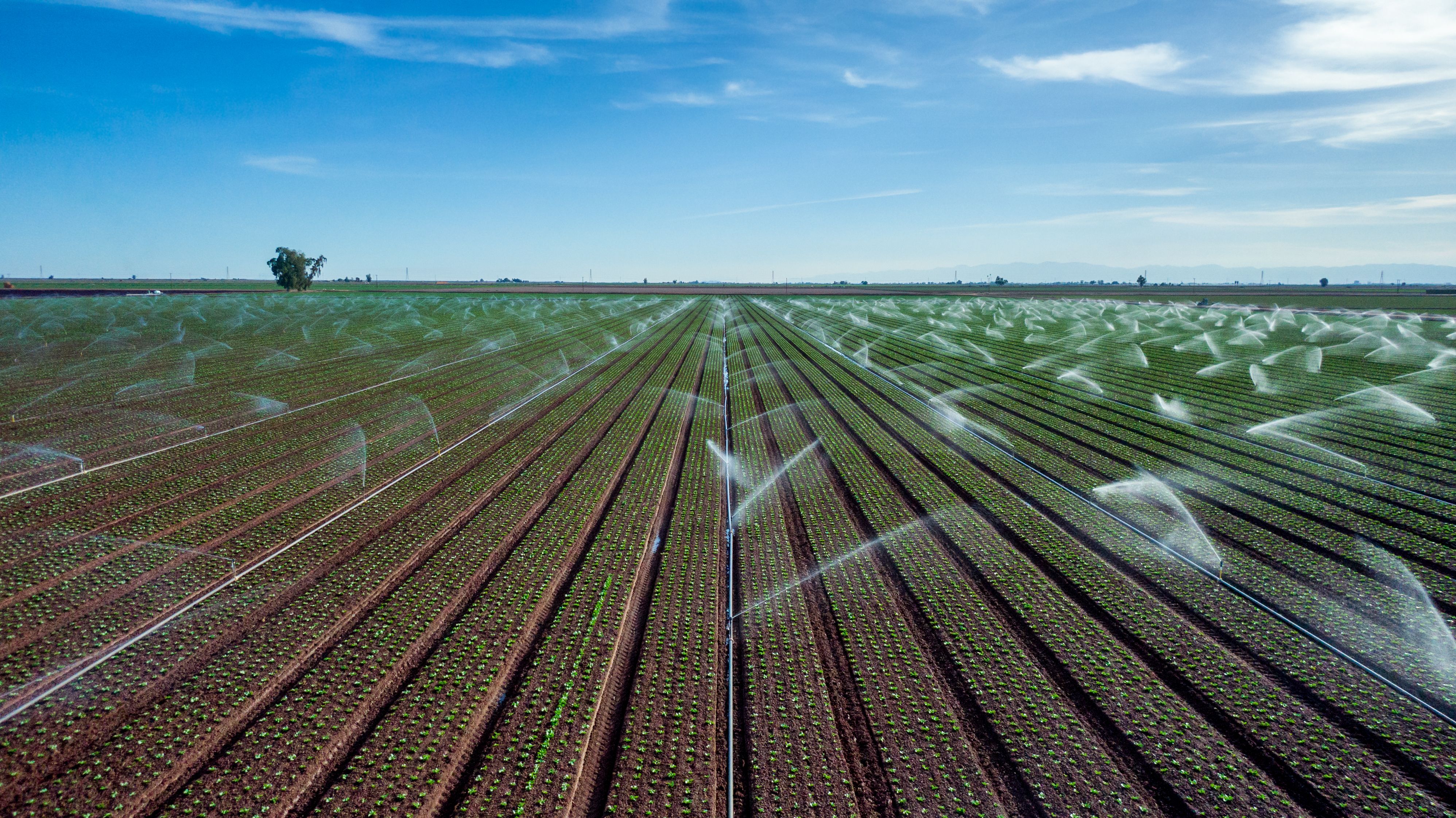
Water conservation is crucial in Texas, especially during the dry summer months. Implementing efficient irrigation systems can significantly reduce water usage while ensuring that landscapes remain lush and healthy. Drip irrigation and smart controllers are excellent options, allowing precise water delivery and minimizing waste.
Additionally, consider xeriscaping techniques, which focus on designing landscapes to reduce or eliminate the need for supplemental water from irrigation. This approach not only conserves water but also reduces maintenance costs.
Soil Health and Fertilization
The foundation of any thriving landscape is healthy soil. Regular soil testing is essential to understand the nutrient levels and pH balance. Based on the results, you can tailor fertilization programs to ensure optimal plant growth. Organic fertilizers are often recommended, as they improve soil structure and promote beneficial microbial activity.
Mulching is another effective strategy to enhance soil health. By adding a layer of mulch around plants, you can retain moisture, suppress weeds, and gradually enrich the soil as the mulch breaks down.

Pest and Weed Management
Effective pest and weed management is crucial for maintaining the aesthetic and health of commercial landscapes. Integrated Pest Management (IPM) strategies are highly recommended, as they focus on long-term prevention and control through a combination of biological, cultural, and mechanical methods.
Regular monitoring is essential to catch any pest issues early. If chemical intervention is necessary, opt for environmentally friendly options that minimize harm to beneficial insects and the surrounding ecosystem.
Seasonal Maintenance Practices
Each season presents unique maintenance challenges and opportunities. In spring, focus on rejuvenation techniques such as pruning and planting new flora. Summer requires diligent water management and monitoring for heat stress.
Fall is an excellent time for aeration and overseeding, preparing the landscape for winter dormancy. Finally, winter maintenance involves protecting sensitive plants from frost and performing necessary repairs to hardscapes.

Embracing Sustainable Practices
Sustainability is becoming increasingly important in commercial landscaping. Implementing eco-friendly practices not only benefits the environment but can also enhance a company's reputation. Consider using renewable resources, reducing chemical usage, and promoting biodiversity through diverse plant selections.
Encouraging the use of recycled materials for pathways and retaining walls can also contribute to a sustainable landscape design, minimizing the environmental footprint.