
DIY Tips for Maintaining a Sustainable Residential Landscape


Introduction to Sustainable Landscaping
Creating a sustainable residential landscape is a rewarding way to enhance your home's beauty while being mindful of the environment. By focusing on eco-friendly practices, you can reduce water usage, minimize waste, and create a thriving habitat for local wildlife. Here are some practical DIY tips to help you maintain a sustainable landscape.
Choosing Native Plants
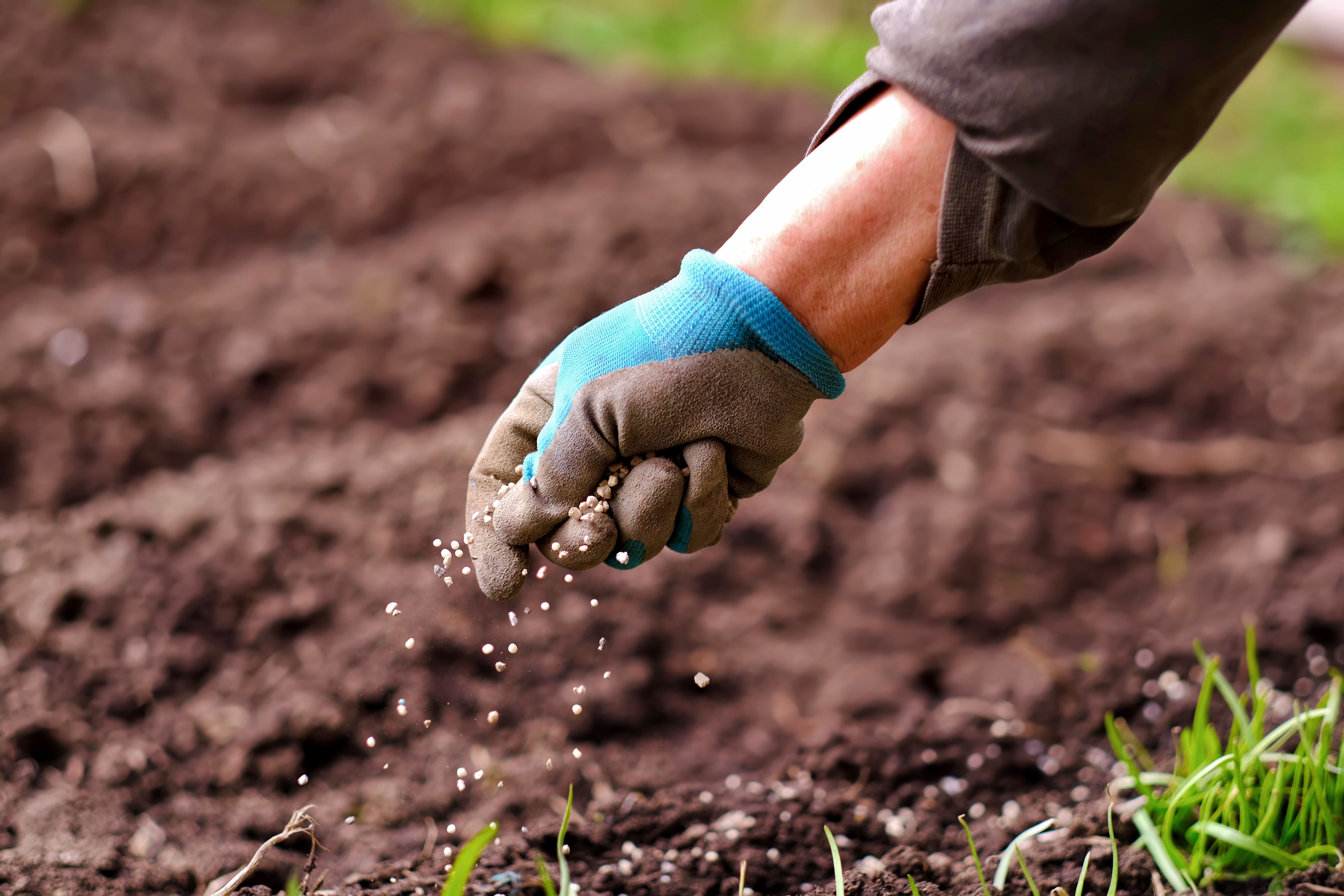
One of the simplest ways to create a sustainable landscape is by selecting native plants. These plants are naturally adapted to your region's climate, requiring less water and maintenance. They also support local ecosystems by providing food and shelter for native wildlife.
Benefits of Native Plants
- Lower water requirements
- Reduced need for fertilizers and pesticides
- Enhanced biodiversity
Water Conservation Techniques
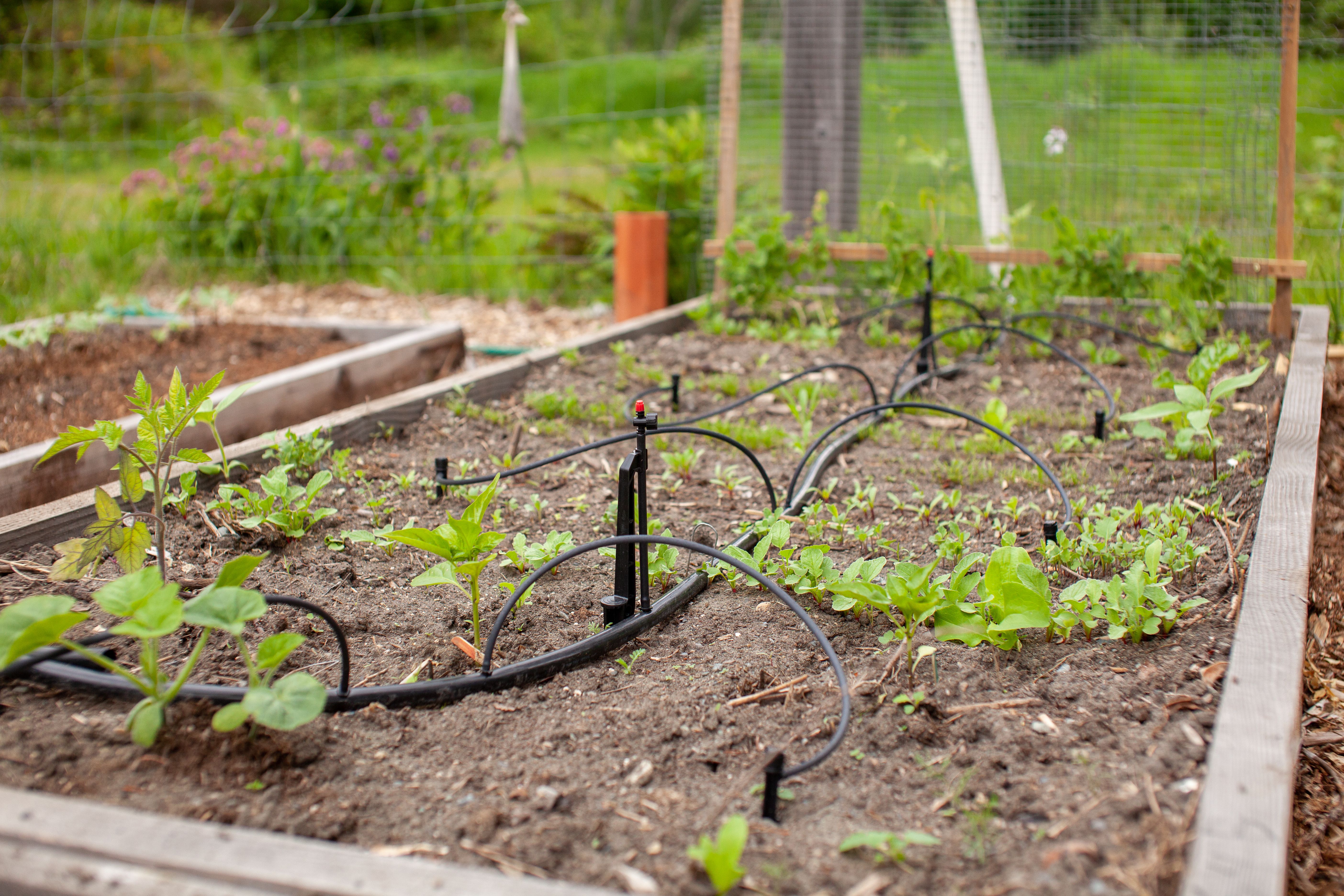
Water conservation is crucial for sustainability. Implementing efficient watering practices can significantly reduce water usage. Consider installing a drip irrigation system, which delivers water directly to the plant roots, minimizing evaporation and runoff.
Rainwater Harvesting
Another effective method is rainwater harvesting. By collecting rainwater in barrels, you can use it to irrigate your garden during dry spells. This not only conserves water but also helps reduce your water bill.
Composting for Healthy Soil
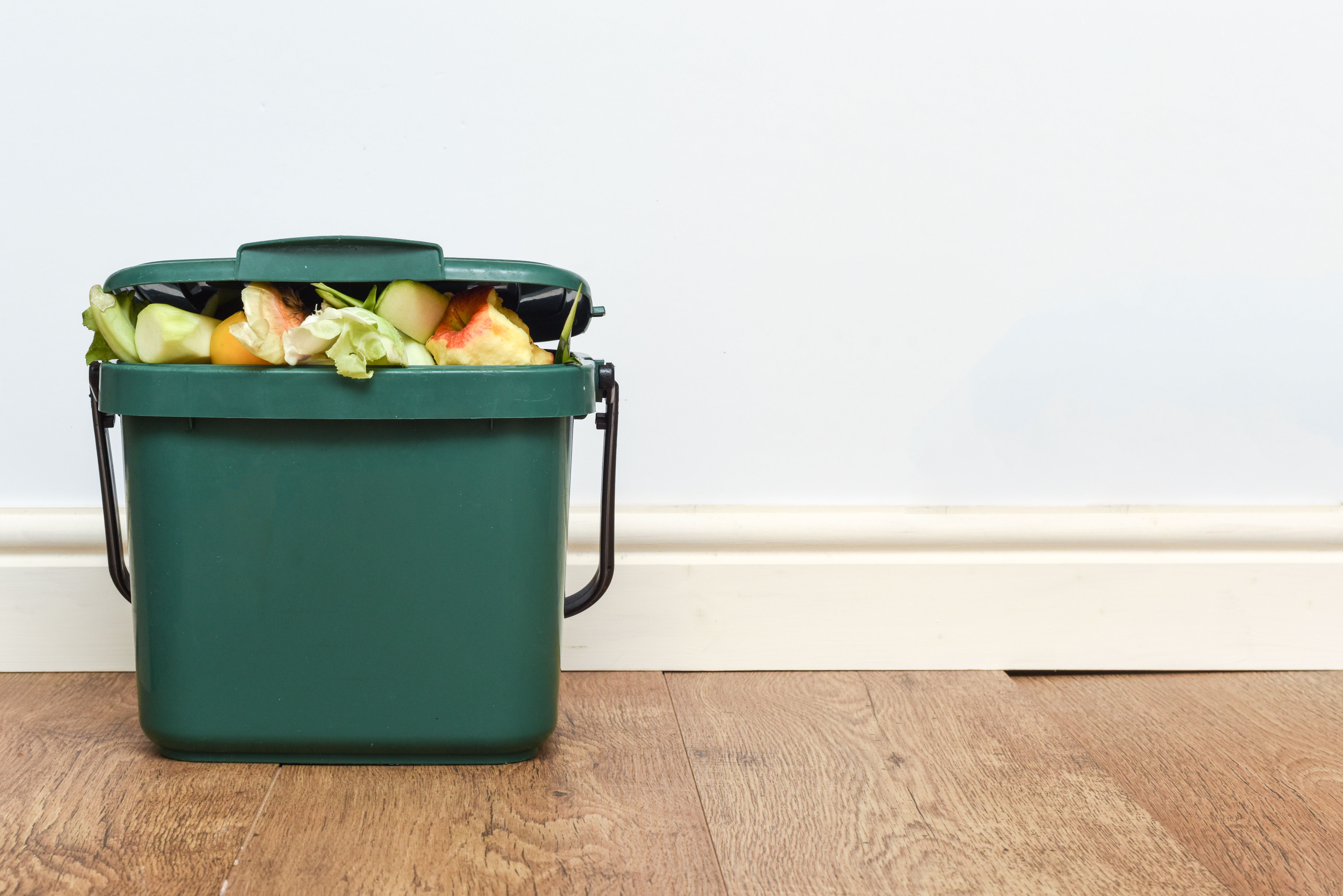
Healthy soil is the foundation of a thriving garden. Composting is an excellent way to enrich your soil with nutrients while reducing waste. Start by collecting kitchen scraps and yard waste in a compost bin. Over time, these materials will break down into rich, organic matter.
Composting Tips
- Maintain a balanced mix of green and brown materials.
- Turn the compost regularly to aerate it.
- Keep the compost moist, but not too wet.
Using Mulch Effectively
Mulching is another powerful tool for sustainable landscaping. A layer of mulch helps retain soil moisture, suppress weeds, and regulate soil temperature. Organic mulches, like wood chips or straw, also break down over time, adding nutrients to the soil.
Types of Mulch
- Organic Mulch: Wood chips, straw, leaves
- Inorganic Mulch: Gravel, pebbles
Conclusion
By incorporating these DIY tips into your landscaping routine, you can create a beautiful and sustainable outdoor space. Not only will you enjoy the aesthetic benefits, but you'll also contribute to a healthier environment. Embrace these practices and watch your garden thrive.