
Case Study: Successful Corporate Garden Design Transformations


Introduction to Corporate Garden Design
Modern businesses are increasingly recognizing the value of incorporating green spaces into their corporate environments. Not only do these spaces enhance the aesthetic appeal of the workplace, but they also provide a range of benefits, from improved employee well-being to increased productivity. In this post, we explore successful case studies of corporate garden design transformations.
The Importance of Green Spaces
Green spaces in corporate settings are more than just decorative elements. They play a crucial role in enhancing air quality, reducing stress levels, and fostering a sense of community among employees. A well-designed garden can serve as a venue for relaxation and informal meetings, contributing to a more dynamic work environment.
Environmental Benefits
Incorporating gardens and green spaces can significantly reduce the carbon footprint of a corporate building. Plants naturally filter the air, removing toxins and producing oxygen. This leads to a healthier environment for employees and visitors alike.

Case Study 1: Urban Office Oasis
A leading tech company transformed its urban office into a green oasis by adding a rooftop garden. The project included native plants, water features, and sustainable materials, creating a serene escape from the bustling city below.
- Challenge: Limited space in a dense urban area.
- Solution: Implementing vertical gardens and adaptive design techniques.
- Result: Increased employee satisfaction and a 20% boost in productivity.
Case Study 2: Revitalizing a Corporate Campus
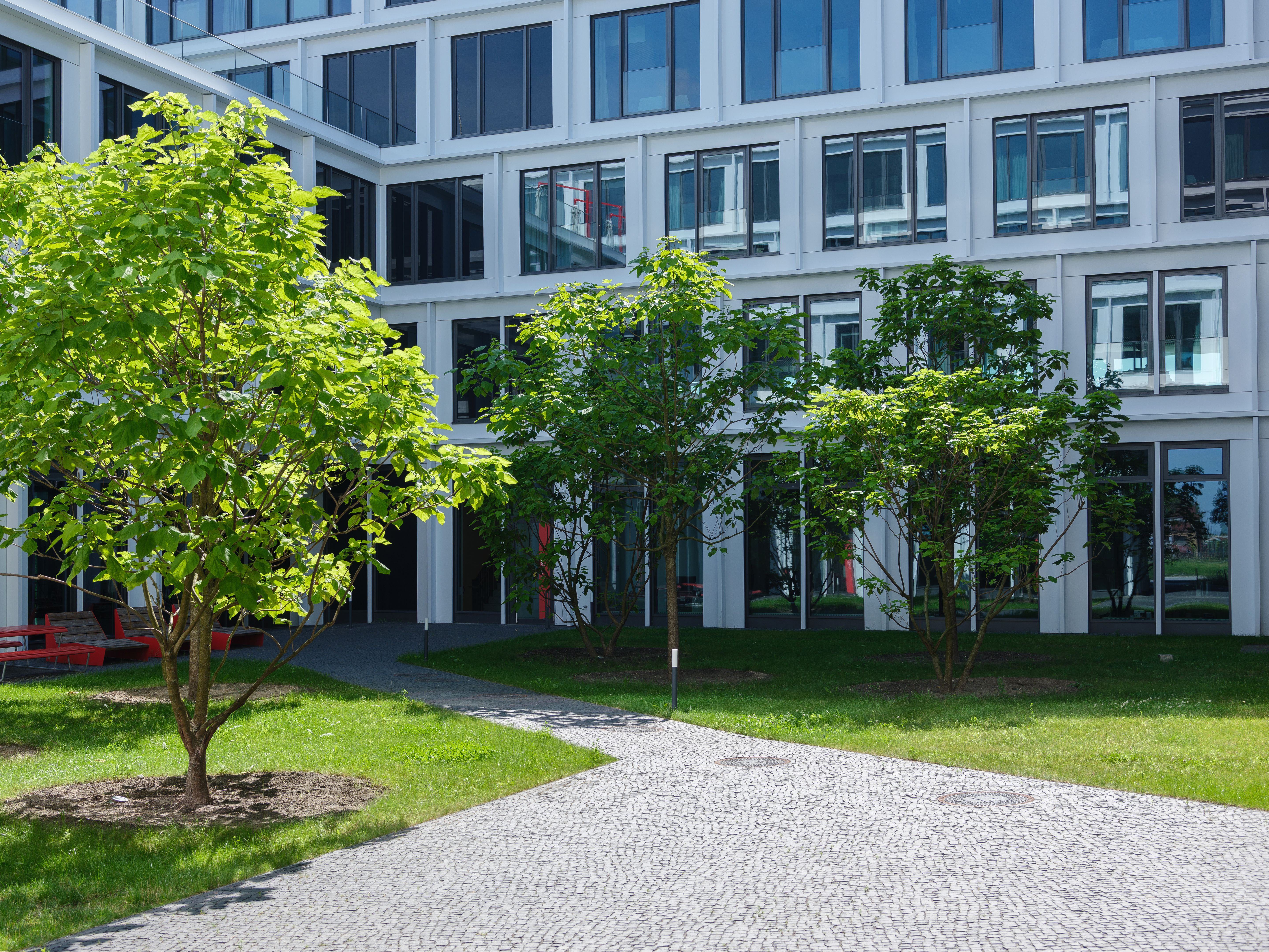
An established manufacturing firm revitalized its corporate campus by integrating extensive gardens and walking trails. The focus was on creating a cohesive environment that encourages outdoor activities and connection with nature.
Design Elements
The transformation included the installation of shaded seating areas, interactive sculptures, and native flora to attract local wildlife. These elements not only beautified the campus but also created engaging spaces for employees to enjoy.
Key Takeaways
These case studies highlight the transformative power of well-planned corporate gardens. By prioritizing sustainability and employee well-being, businesses can create environments that foster creativity, collaboration, and health.
- Integrate native plants to support local ecosystems.
- Utilize sustainable materials to minimize environmental impact.
- Design multifunctional spaces that cater to various activities.
In conclusion, investing in corporate garden design is not just about aesthetics. It's a strategic move that can lead to a happier, healthier, and more productive workforce. As these case studies demonstrate, the benefits of such transformations are substantial and wide-reaching.